Source Waterproof Solar Christmas Light Strip for Mine, Shipyard, Warehouse
Compare 30 waterproof solar christmas light strip options featuring IP65 ratings, customizable colors, and solar-powered operation for mining, shipyard, and warehouse applications. Review specifications including battery capacity, LED quantity, and working hours to find the right fit.
Key considerations
Products List




Comprehensive Sourcing Guide
Strategic Sourcing Guide for Waterproof Solar Christmas Light Strips
The global market for outdoor lighting has seen a significant shift toward sustainable, self-sufficient solutions, with waterproof solar Christmas light strips emerging as a primary category for seasonal decoration and permanent landscape illumination. For B2B procurement professionals, sourcing these products requires a rigorous understanding of technical specifications, supply chain reliability, and compliance standards. Unlike traditional mains-powered lighting, solar-integrated systems introduce unique variables regarding energy storage, weather resistance, and component durability. This guide provides a structured approach to evaluating suppliers and products, ensuring that procurement decisions are grounded in verified data and industry best practices rather than marketing assertions.
Technical Architecture and Performance Specifications
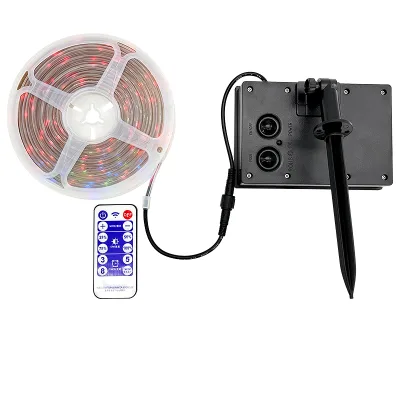
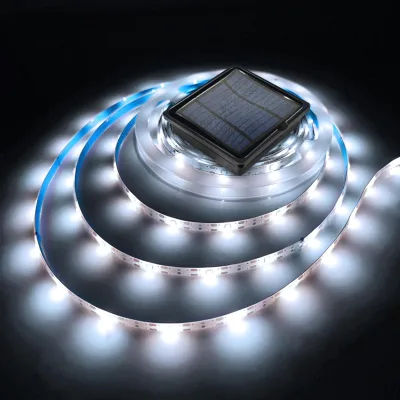
When evaluating waterproof solar Christmas light strips, the core technical architecture revolves around the integration of photovoltaic panels, energy storage units, and light-emitting diodes (LEDs). The efficiency of the system is not merely a function of the LED count but is heavily dependent on the balance between power generation and consumption. In the observed product landscape, solar panel specifications vary significantly, with some units featuring 5V/10W mono-crystalline panels while others utilize 9W/4V or 13W/4V poly-crystalline configurations. The physical dimensions of these panels, such as 169329mm or 229329mm, directly influence the surface area available for energy harvesting, which is critical for meeting the energy demands of the lighting array.
Battery capacity is another pivotal specification that dictates operational longevity. Procurement teams must scrutinize the battery type and capacity, as these determine the duration of illumination during non-sunny periods. Data indicates the presence of systems utilizing 6000mAh LiFePO4 batteries and larger 12000mAh LiFePO4 variants, alongside other configurations like 8Ah capacities. The choice of Lithium Iron Phosphate (LiFePO4) is generally preferred for its stability and safety profile compared to other lithium-ion chemistries. Furthermore, the working hours of the product are a direct result of the battery-to-load ratio. Observed working times range from 8 hours to over 12 hours, with some systems offering 10-12 hours of operation. Buyers should verify that the stated working hours align with the specific climate conditions of the target deployment area, as cloud cover and winter daylight hours can drastically reduce effective charging times.
The LED configuration itself also requires detailed analysis. The number of LEDs per unit, such as 5050/30PCS or 240PCS SMD2835, determines the brightness and coverage area. The color capabilities, ranging from static white to changeable RGB options, add a layer of complexity to the driver electronics. Some advanced models offer 20 preset working modes, including constant, flash, and breathing patterns, which require robust control circuitry. The physical dimensions of the lamp strip, observed in some cases as 10000115mm, suggest a flexible form factor suitable for draping over various structures, but the material composition, such as silicone gel or ABS, is the primary determinant of its flexibility and resistance to kinking.
Compliance, Certification, and Safety Standards
In the B2B sector, compliance is not optional; it is a prerequisite for market access and liability protection. When sourcing waterproof solar lights, buyers must verify that products carry recognized international certifications. The observed product data frequently cites CE and RoHS certifications, which are essential for entering the European market. CE marking indicates conformity with health, safety, and environmental protection standards, while RoHS (Restriction of Hazardous Substances) ensures that the product does not contain specific hazardous materials like lead or mercury.
Beyond these, other critical certifications often appear in the supply chain, including EMC (Electromagnetic Compatibility), LVD (Low Voltage Directive), and CCC (China Compulsory Certification). EMC compliance is particularly important for solar lighting systems that may contain wireless control modules or intelligent light controls, as it ensures the device does not emit excessive electromagnetic interference. LVD compliance addresses electrical safety, ensuring that the low-voltage systems operate without risk of electric shock. The presence of these certifications should be verified through valid documentation from the manufacturer, as counterfeit certificates are a known risk in the industry.
Waterproofing is a critical safety and performance attribute, often quantified by the IP (Ingress Protection) rating. For outdoor Christmas lighting, an IP65 rating is a common benchmark observed in the market, indicating that the product is dust-tight and protected against water jets from any direction. However, buyers must be cautious, as some listings may present conflicting or ambiguous ratings. It is imperative to request third-party test reports that validate the IP rating under specific testing conditions, as the ability to withstand heavy rain, snow, and humidity is essential for the longevity of the product in outdoor environments.
Cost Drivers and Pricing Dynamics
The pricing of waterproof solar Christmas light strips is influenced by a complex interplay of component quality, production volume, and customization requirements. The observed price range in the market spans from $1 to $350, a wide variance that reflects differences in scale, technology, and order quantity. Several key factors drive these costs. First, the solar panel efficiency and battery capacity are major cost components. A unit with a 13W poly panel and a 12000mAh LiFePO4 battery will inherently cost more than a unit with a 5V/10W mono panel and a smaller battery. The type of LED chips used, such as SMD2835 versus 5050, also impacts the bill of materials.
Second, the level of customization available significantly affects the final price. Products that offer customizable packaging, specific color temperatures, or tailored working modes often command a premium. The MOQ (Minimum Order Quantity) is another critical cost driver, with observed ranges from 1 to 1000 units. Higher MOQs typically result in lower per-unit costs due to economies of scale in manufacturing and logistics. Buyers should negotiate based on their projected volume, understanding that smaller orders may incur higher unit prices or additional setup fees.
Packaging and logistics also contribute to the total cost of ownership. The observed packaging standards include anti-damage packaging or customizable options, with carton sizes varying from 445375440mm to 680375285mm. The weight per carton, ranging from 12.3kg to 13.1kg, affects shipping costs, which can be substantial for heavy items like solar lights. Buyers must factor in the cost of freight, insurance, and customs duties when calculating the landed cost, as these expenses can vary significantly depending on the origin of the product, such as Guangzhou, China, and the destination market.
Typical Applications and Deployment Scenarios
Waterproof solar Christmas light strips are versatile and suitable for a wide array of applications, ranging from residential decoration to large-scale commercial projects. The observed application scenarios include mines, shipyards, exhibitions, and warehouses, indicating that these products are robust enough for industrial environments as well as festive settings. In residential contexts, they are ideal for draping along rooflines, wrapping around trees, or outlining garden pathways, where access to electrical outlets is limited or undesirable.
For commercial and industrial applications, the intelligent light control and time control features become particularly valuable. These functions allow for automated operation, ensuring that lights turn on at dusk and off at dawn without manual intervention. In exhibition spaces, the ability to change colors and working modes can enhance the visual impact of displays. In shipyards and mines, the durability and waterproofing capabilities are essential for maintaining safety and visibility in harsh conditions. The 360-degree lighting angle observed in some models ensures comprehensive illumination, making them suitable for security lighting in addition to decorative purposes.
The flexibility of the lamp material, such as silicone gel or ABS, allows for easy installation on irregular surfaces. This adaptability makes them suitable for complex architectural features or temporary event setups. However, buyers should consider the environmental conditions of the deployment site. While IP65-rated products are resistant to water, extreme cold or high winds may require additional mounting solutions to prevent damage. The working hours and charge time are also critical factors; in regions with limited sunlight, the 6-hour charge time may not be sufficient to achieve the full 12-hour lighting duration, necessitating careful site assessment.
Supplier Evaluation and Quality Control Protocols
Selecting the right supplier is as important as selecting the product itself. Buyers should prioritize suppliers who provide transparent documentation regarding their manufacturing processes, quality control measures, and after-sales support. The origin of the product, often cited as Guangzhou, China, is a significant hub for LED and solar lighting manufacturing, offering a competitive advantage in terms of supply chain efficiency. However, the presence of a manufacturing location does not guarantee quality; buyers must verify the supplier's track record and reputation.
Quality control protocols should be a central part of the procurement process. Buyers should request samples for rigorous testing before placing large orders. Key tests include verifying the IP rating through water immersion or spray tests, checking the battery capacity using calibrated equipment, and assessing the LED brightness and color consistency. The warranty period, observed as 2 years in some cases, is a strong indicator of the manufacturer's confidence in their product. A robust warranty should cover defects in materials and workmanship, providing buyers with recourse in case of premature failure.
Communication and responsiveness are also critical indicators of supplier reliability. Buyers should evaluate the supplier's ability to provide technical support, handle customization requests, and manage logistics. The availability of customizable packaging and the ability to meet specific MOQ requirements are signs of a flexible and customer-oriented supplier. Additionally, buyers should inquire about the supplier's inventory management and lead times to ensure timely delivery, especially for seasonal products where timing is crucial.
Long-Term Procurement and Lifecycle Management
Sourcing waterproof solar Christmas light strips is not a one-time transaction but a long-term partnership that requires ongoing management. Buyers should consider the lifecycle of the product, including the expected lifespan of the battery and the durability of the solar panel. While the LEDs may last for tens of thousands of hours, the battery is often the first component to degrade, especially in extreme temperatures. Procurement strategies should include planning for battery replacement or system upgrades to extend the product's useful life.
Sustainability is another long-term consideration. As environmental regulations tighten, buyers should look for suppliers who adhere to strict environmental standards and use recyclable materials in their packaging and products. The use of LiFePO4 batteries, which are more environmentally friendly than other lithium-ion types, is a positive indicator. Furthermore, the energy efficiency of the solar panels and LEDs contributes to the overall sustainability of the product, reducing the carbon footprint of the lighting system.
Finally, buyers should establish clear performance metrics and service level agreements (SLAs) with their suppliers. These agreements should define expectations regarding product quality, delivery times, and after-sales support. Regular reviews of supplier performance can help identify areas for improvement and ensure that the procurement strategy remains aligned with the buyer's business goals. By focusing on long-term value rather than just initial cost, buyers can build a resilient supply chain that supports their operational needs and sustainability objectives.
FAQs
What certifications do waterproof solar christmas light strips have?
These products typically carry CE, RoHS, EMC, LVD, and CCC certifications. Such documentation ensures compliance with safety and environmental standards required for international markets, particularly in Europe and China.
How long do the batteries last during operation?
Battery capacity varies from 6000mAh to 12000mAh LiFePO4, providing 8 to 12 hours of working time. The actual duration depends on the specific model and whether the system is set to constant or flashing modes.
Which solar panel specifications are available for these lights?
Available panels include 5V/10W mono-crystalline, 9W/4V poly-crystalline, and 13W/4V poly-crystalline options. Panel dimensions range from 169x329mm to 229x329mm, directly influencing charging efficiency and power output.
Can the lights be customized for specific needs?
Customization is available for packaging, working modes, and color temperatures. Buyers can select from preset modes like constant, flash, or breathing, and choose specific battery capacities or LED counts to match project requirements.
What is the minimum order quantity for these products?
The minimum order quantity ranges from 1 to 1000 units depending on the supplier and product model. Lower MOQs allow for smaller trial orders, while higher volumes often secure better pricing and customization options.
Where are these waterproof solar christmas light strips manufactured?
Products originate from Guangzhou, China, a major hub for LED and solar lighting manufacturing. This location offers efficient supply chains and competitive pricing, though buyers should verify specific factory capabilities and quality control measures.
What IP rating ensures water resistance for outdoor use?
Most units feature an IP65 rating, making them dust-tight and protected against water jets. This level of protection is essential for outdoor Christmas lighting to withstand rain, snow, and varying weather conditions.